Fountain Hills Artificial Turf
Desert-Adapted Turf Installs in Fountain Hills, AZ
Heat-rated artificial turf installs in Fountain Hills, AZ with cooling infill and UV-protected materials. Free estimates.
- 15+ Years local experience
- 500+ Projects completed
- Licensed & Insured
Serving Fountain Hills and nearby communities.
Ever stepped on turf at 2pm in July and pulled your foot right back? Standard turf products weren't built for Fountain Hills' summer sun, and the wrong infill choice can make a yard unusable for months. Fountain Hills Artificial Turf selects heat-resistant fiber and reflective infill specifically for high-exposure desert yards instead of using the same spec everywhere.
This service is about the product and base choices that reduce surface temperature and prevent heat damage, on top of the same compaction work every install needs over rocky native soil.
What's included
What's included with Desert-Adapted Turf Installs
Typically included: heat tolerance product selection, soil moisture testing, reflective base prep, heat-resistant turf installation, expansion-gap seaming, surface temperature check.
Optional: upgraded reflective infill blend for full-sun yards, lighter fiber color for additional heat reduction.
Customer prep: let the crew know which areas of the yard get full afternoon sun so product selection matches exposure.
Want a clearer scope?
Get a Free EstimateHow it works
How our Desert-Adapted Turf Installs process works
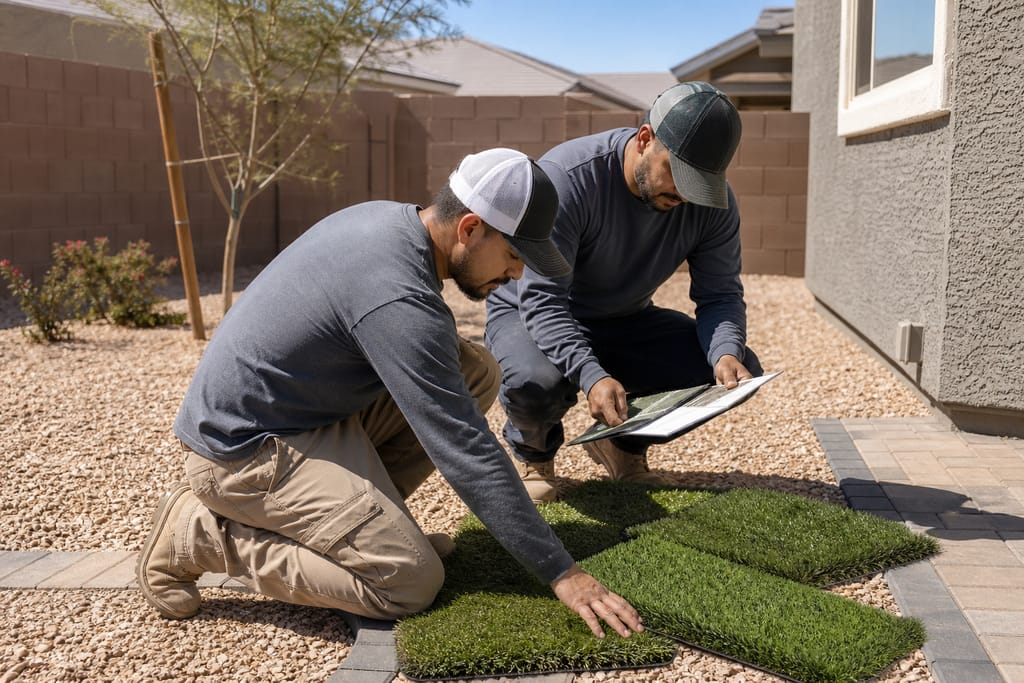 Step 1
Heat tolerance planning
Turf products are selected based on resistance to high heat and intense sun exposure.
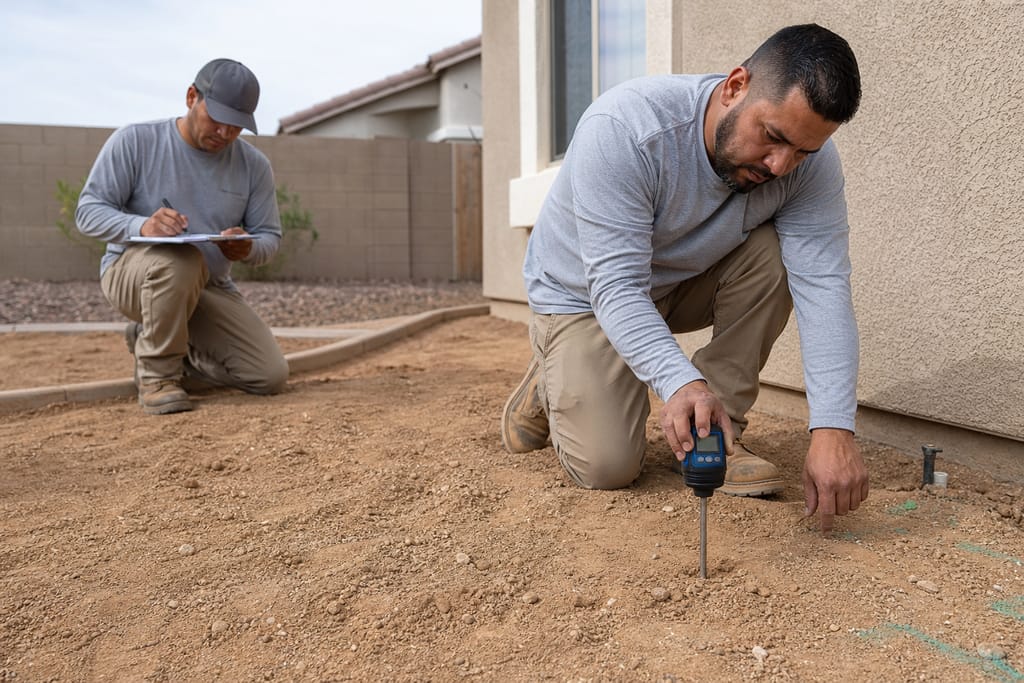 Step 2
Soil moisture testing
Existing soil conditions are tested to plan appropriate drainage solutions.
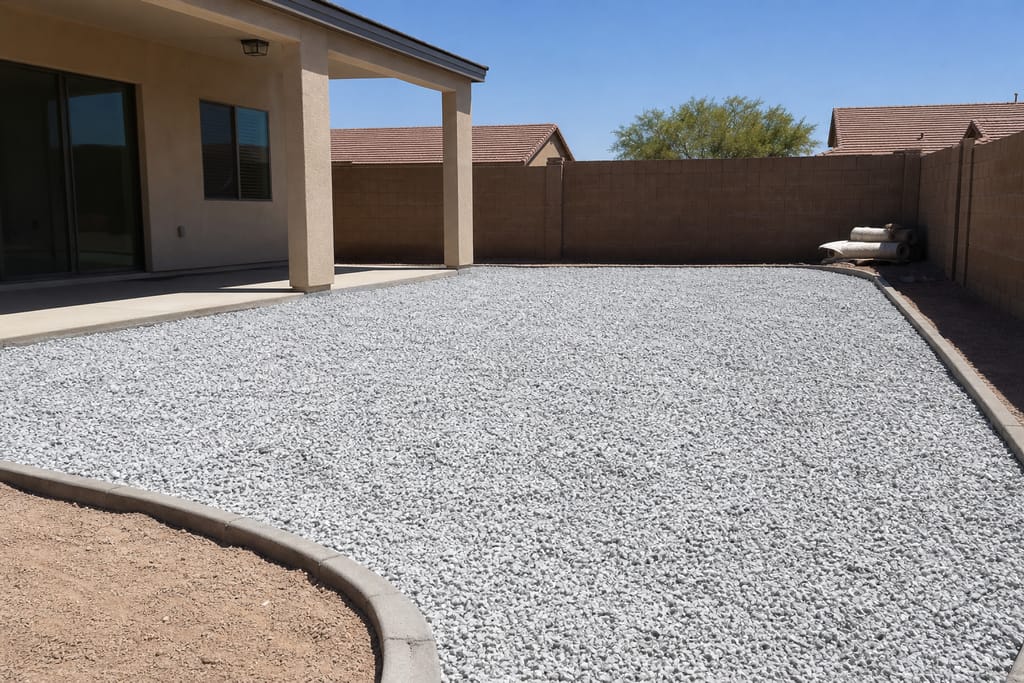 Step 3
Reflective base prep
Base materials are chosen to reduce heat retention beneath the turf surface.
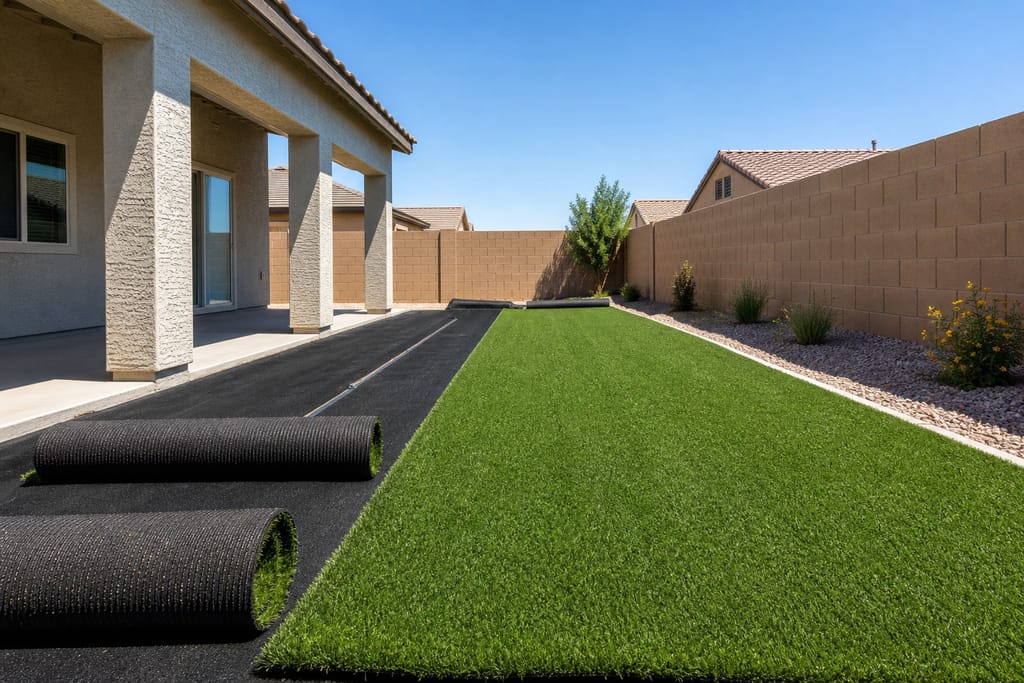 Step 4
Heat-resistant turf laying
Specialized desert turf fibers are installed to withstand extreme temperatures.
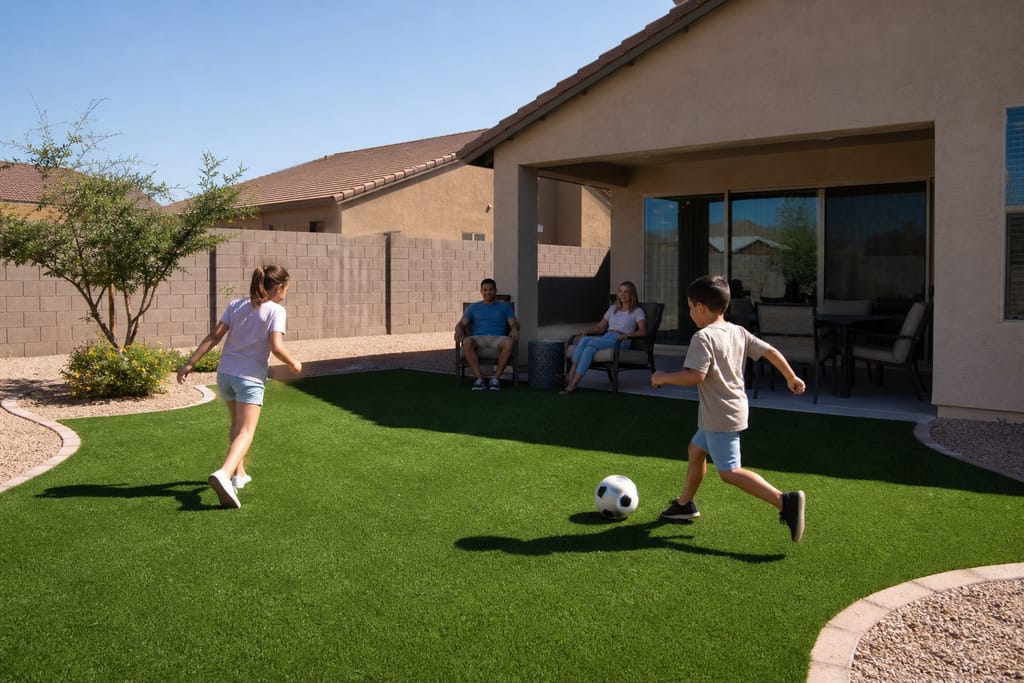 Step 5
Expansion gap allowance
Small gaps are built into seams to accommodate material expansion in heat.
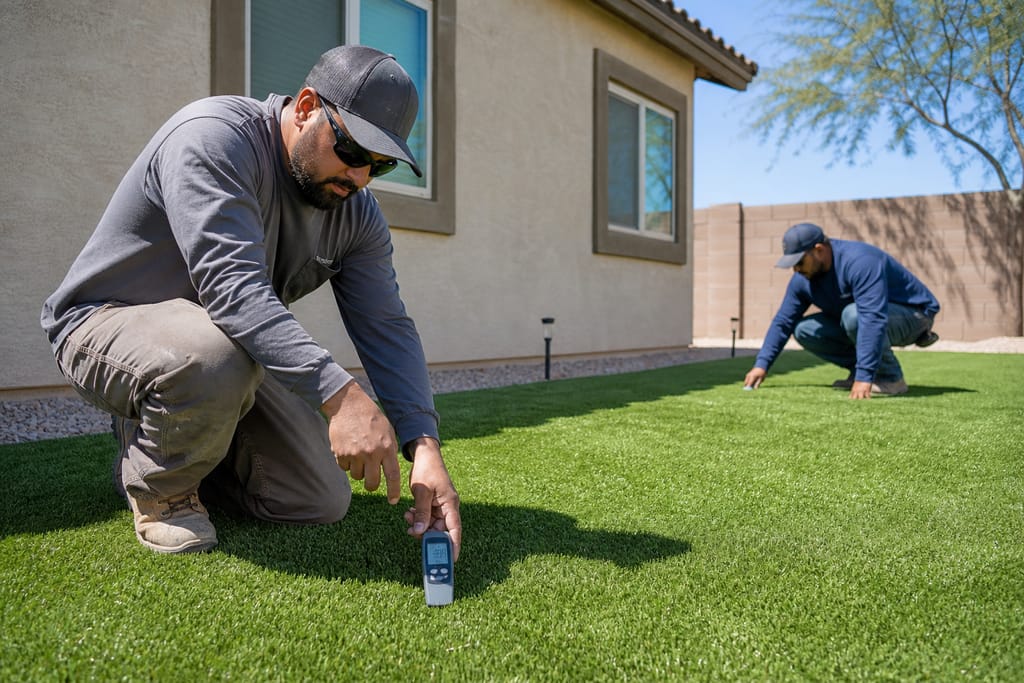 Step 6
Surface cooling check
The finished surface is tested for temperature performance under direct sun.
Materials
Materials and methods for Desert-Adapted Turf Installs
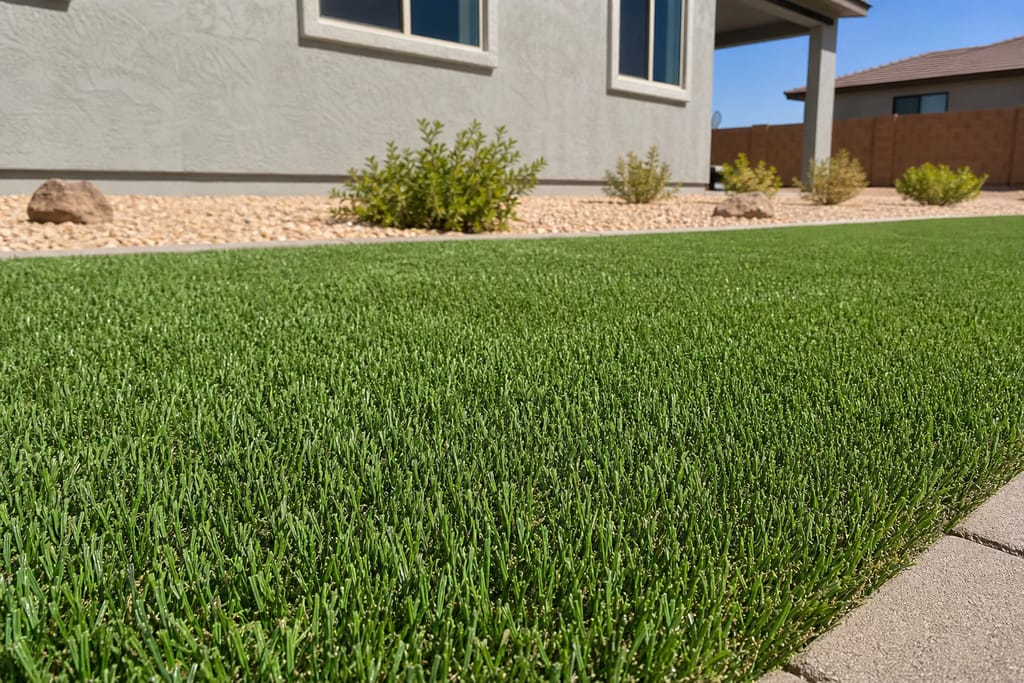
Heat-resistant turf fibers
Fibers engineered to resist melting and fading under intense desert sun common across full-exposure Fountain Hills lots.
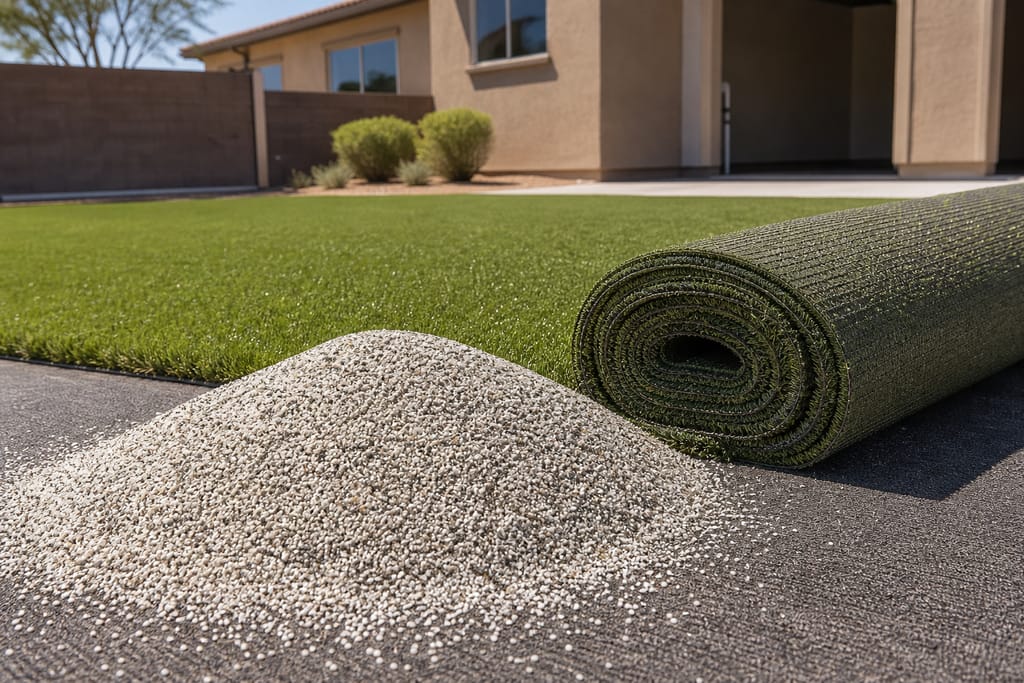
Reflective infill blend
Infill designed to reflect heat and reduce surface temperature buildup.
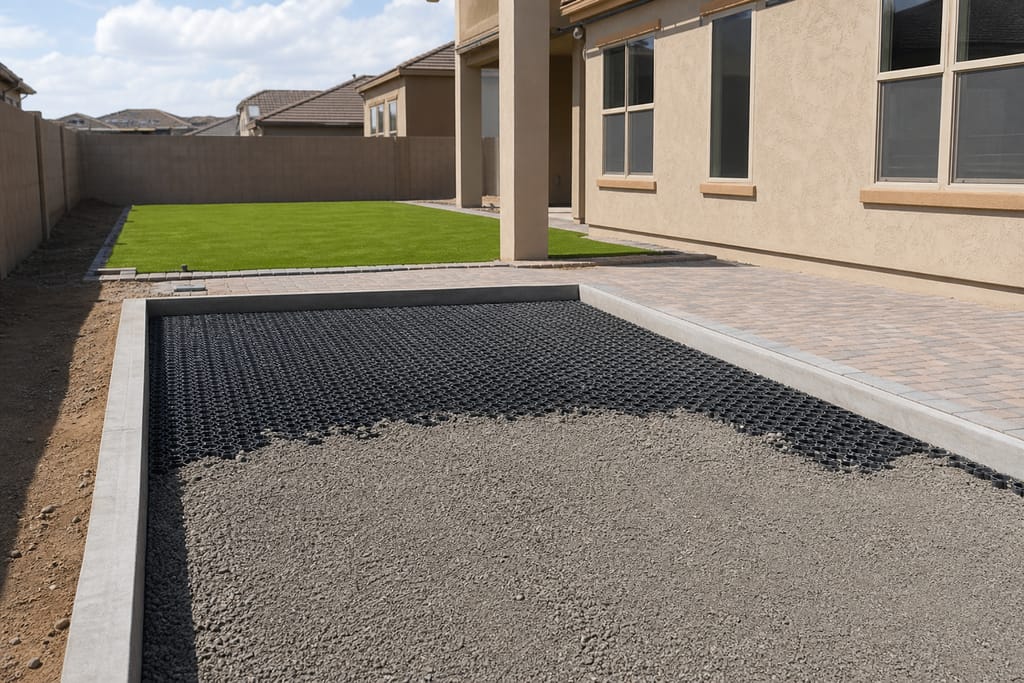
Drought-tolerant base layer
Base materials selected for stability in dry, low-moisture rocky soil conditions.
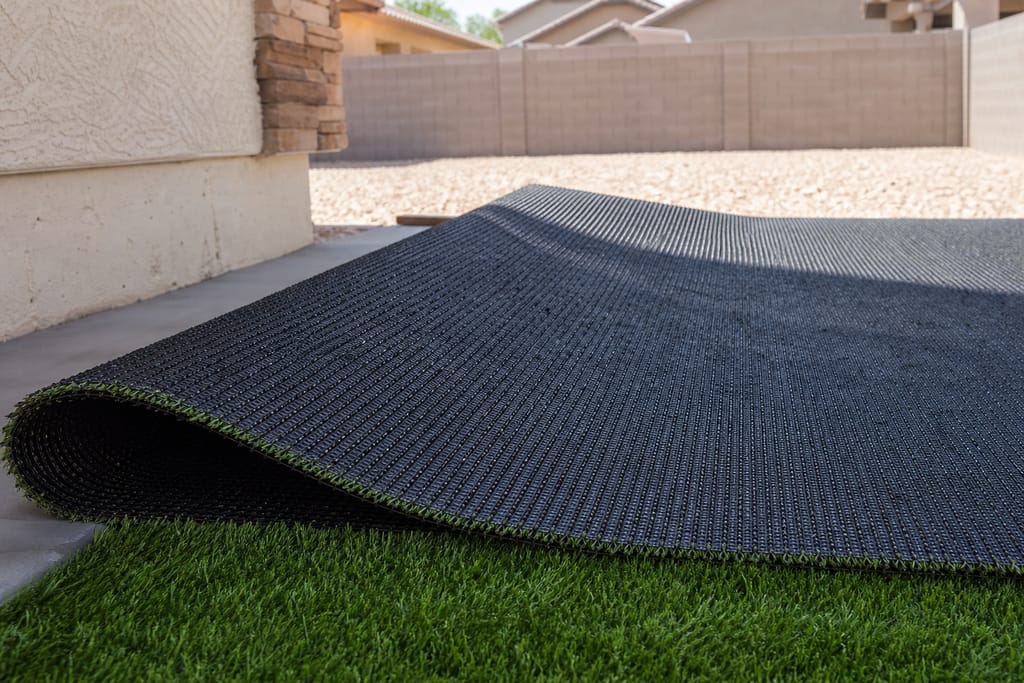
UV-protected backing
Backing treated with UV stabilizers to prevent cracking in high heat.
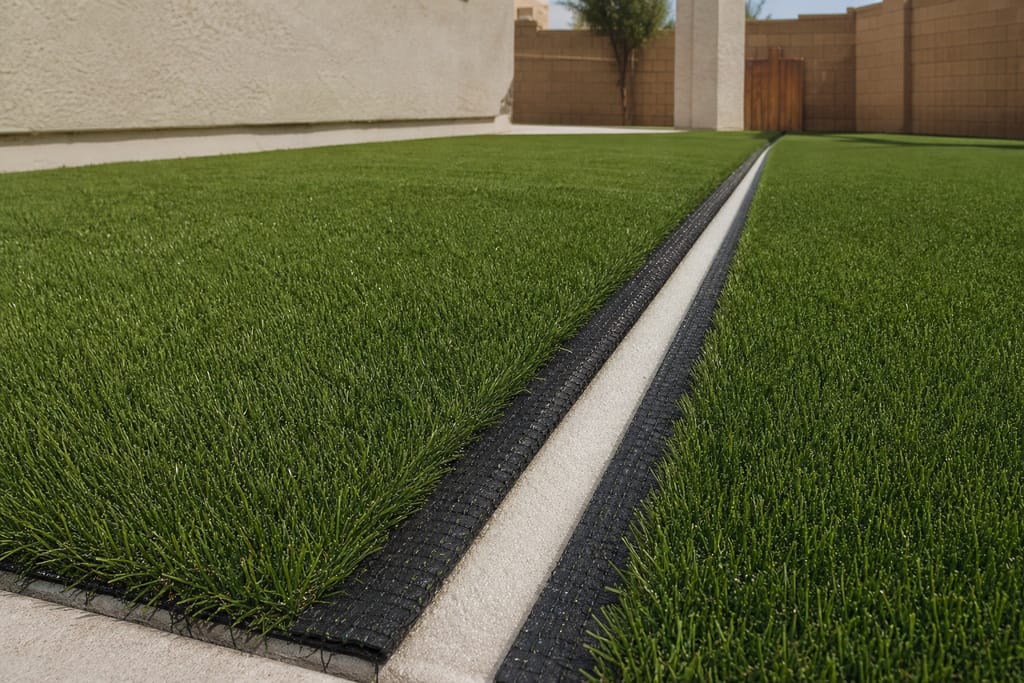
Thermal break seams
Seaming technique designed to handle material expansion from heat cycles.
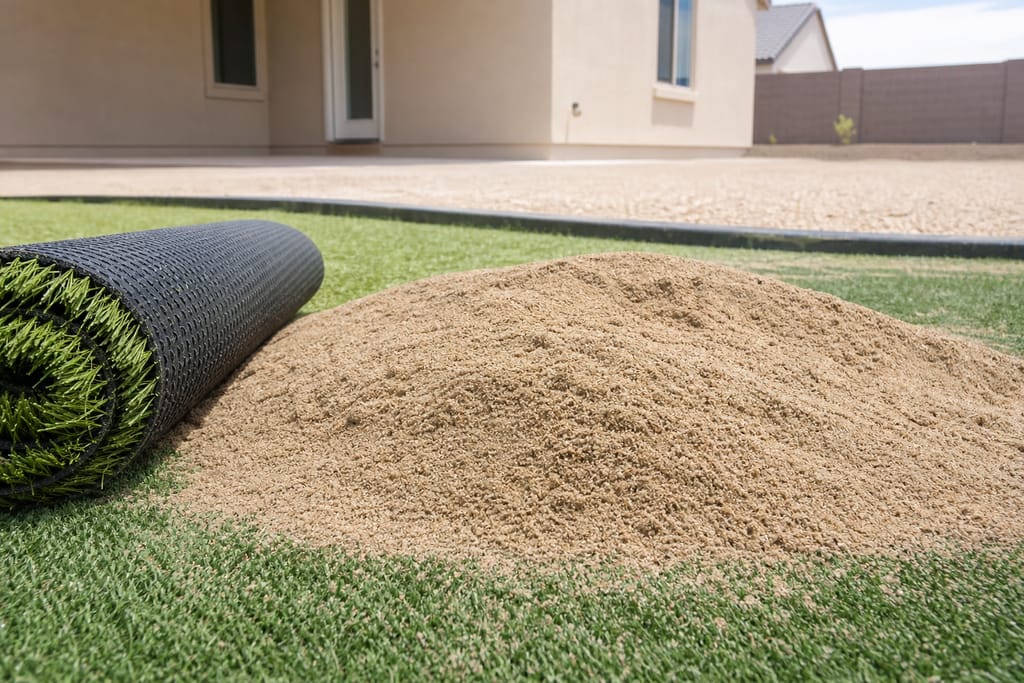
Sand-based filler
Sand filler provides stability while allowing heat dissipation.
Questions on materials?
Get a Free EstimateTimeline
How long does a Desert-Adapted Turf Install take?
The extra product selection step adds a bit of planning time up front, but install pace stays similar to a standard job.
- 01
Product selection and sun exposure review
same day - 02
Base prep and moisture testing
1 day - 03
Turf install with expansion seams
1–2 days - 04
Surface temperature check
same day
Need a schedule that fits?
Get a Free EstimateFAQs
Desert-Adapted Turf Installs FAQs
What is the best artificial grass for hot climates like Arizona?
Turf with UV-stabilized backing paired with a reflective or cooling infill performs best. Darker, standard fiber without heat-rated treatment will run noticeably hotter underfoot.
Does desert-adapted turf actually feel cooler?
Reflective infill and lighter fiber tones measurably reduce peak surface temperature compared to standard turf, though no synthetic surface stays cool in direct July sun.
What is the downside to artificial turf in the desert heat?
Standard turf without heat-rated infill can get too hot for bare feet or pets during peak summer afternoons. Product choice is what fixes that, not just shade.
How long does desert-adapted turf last in Arizona heat?
UV-protected backing and heat-resistant fibers typically hold up 15-20 years under consistent desert sun exposure.
Is DIY desert turf installation realistic?
Soil moisture testing and base selection are the mechanism that prevents drainage failure after monsoon runoff. Skipping that testing is the most common DIY mistake in rocky soil.
Do I need a permit for a desert-adapted turf install?
Standard residential turf replacement typically doesn't require a permit; confirm with the town if the project includes grading or drainage changes.
Before & after
Before and after Desert-Adapted Turf Installs results
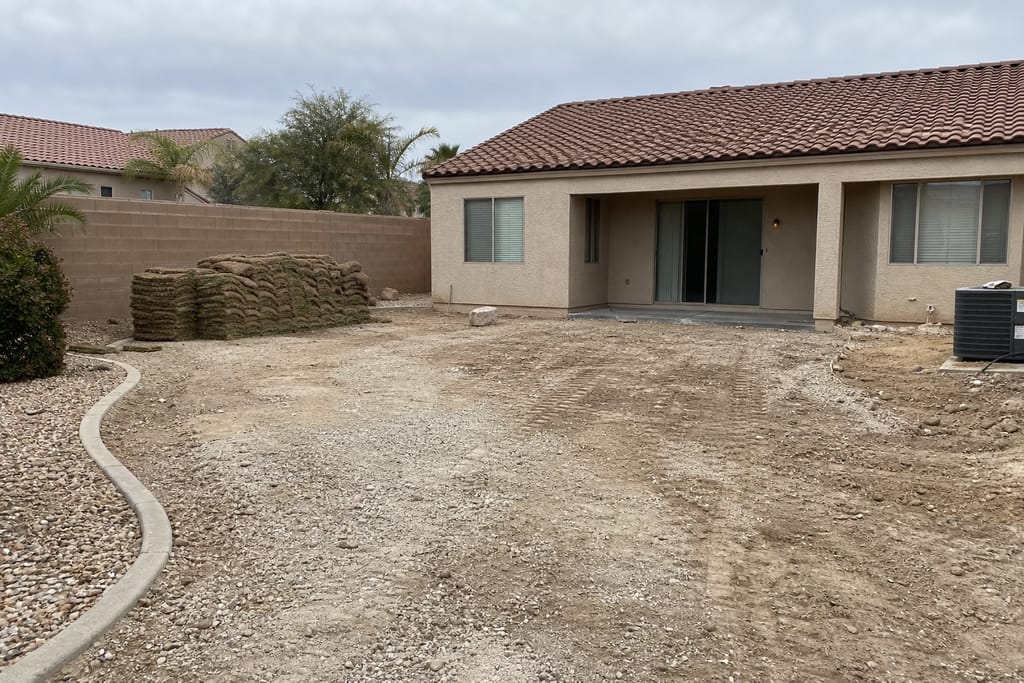
Before 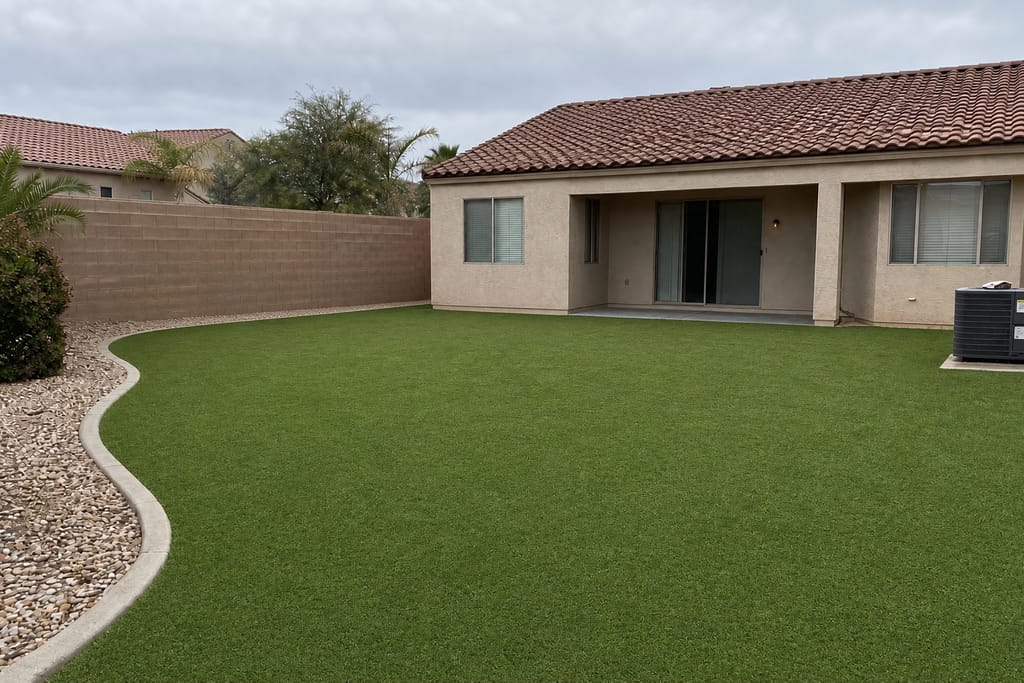
After
Next step
Get a Desert-Adapted Turf Install estimate in Fountain Hills
Call (928) 440-8515 or request a free estimate built around your yard's sun exposure.
More services
Other Artificial Turf services
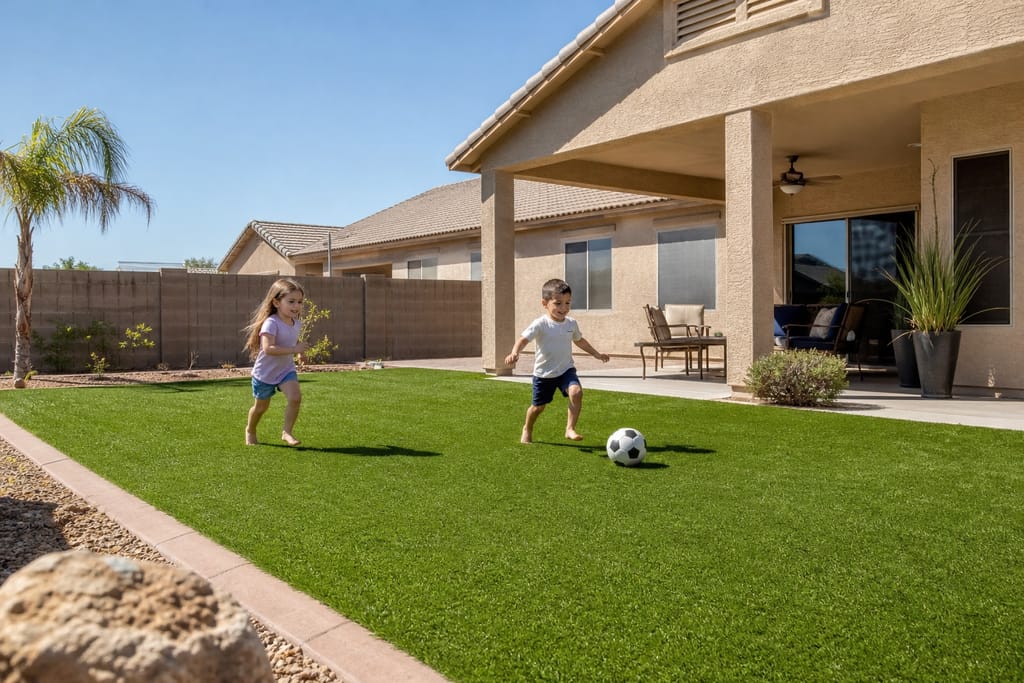
Artificial Turf Installation
Artificial turf installation in Fountain Hills with rocky-soil base prep, pet-safe infill, and free written estimates.
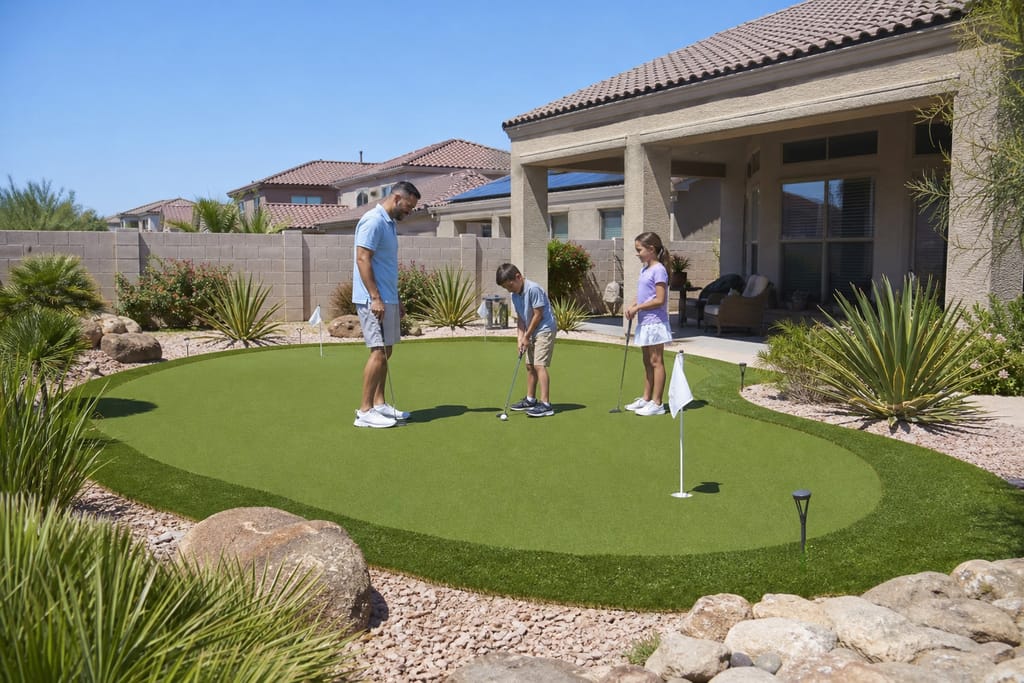
Putting Green Installation
Custom backyard putting green installation with contoured turf, true-roll surfaces, and free estimates.
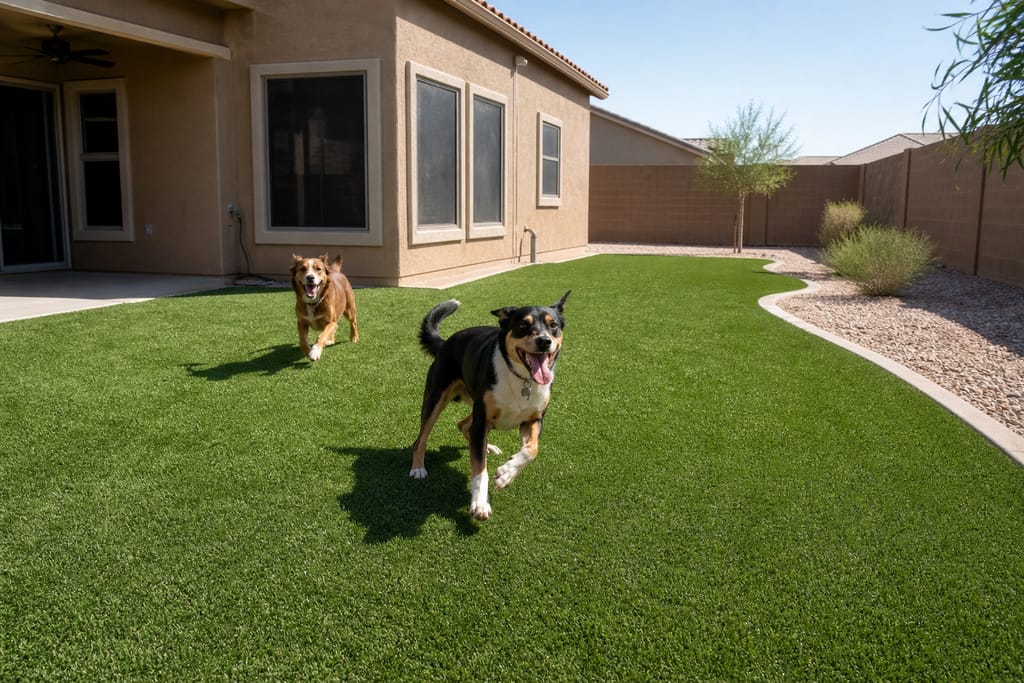
Pet Turf Installation
Pet-friendly artificial turf installation in Fountain Hills, AZ with drainage and odor-control infill built for dogs. Free estimates.
Ask about Desert-Adapted Turf Installs
Tell us about the project and how to reach you.