Fountain Hills Artificial Turf
Desert Climate Turf Conversion in Fountain Hills, AZ
Dead-lawn-to-turf conversion in Fountain Hills, AZ that cuts water use and replaces struggling grass for good. Free estimates.
- 15+ Years local experience
- 500+ Projects completed
- Licensed & Insured
Serving Fountain Hills and nearby communities.
A brown, patchy lawn in Fountain Hills usually isn't a watering problem you can fix with a new sprinkler schedule. Native rocky soil and relentless summer heat make natural grass a losing fight here, and the water bill climbs every month the lawn keeps struggling. Fountain Hills Artificial Turf removes the dead lawn entirely and converts the yard to a turf system built for this ground, not a patch job on top of dying sod.
This service handles the whole conversion: removal, soil prep, irrigation capping, and a water-wise base before new turf goes down.
What's included
What's included with Desert Climate Turf Conversion
Typically included: dead grass and root removal, soil amendment and debris clearing, irrigation line capping, water-wise base installation, full turf conversion, estimated water savings review.
Optional: partial conversion keeping select planting beds irrigated.
Customer prep: locate and mark any known irrigation valve boxes in the lawn area before work starts.
Want a clearer scope?
Get a Free EstimateHow it works
How our Desert Climate Turf Conversion process works
 Step 1
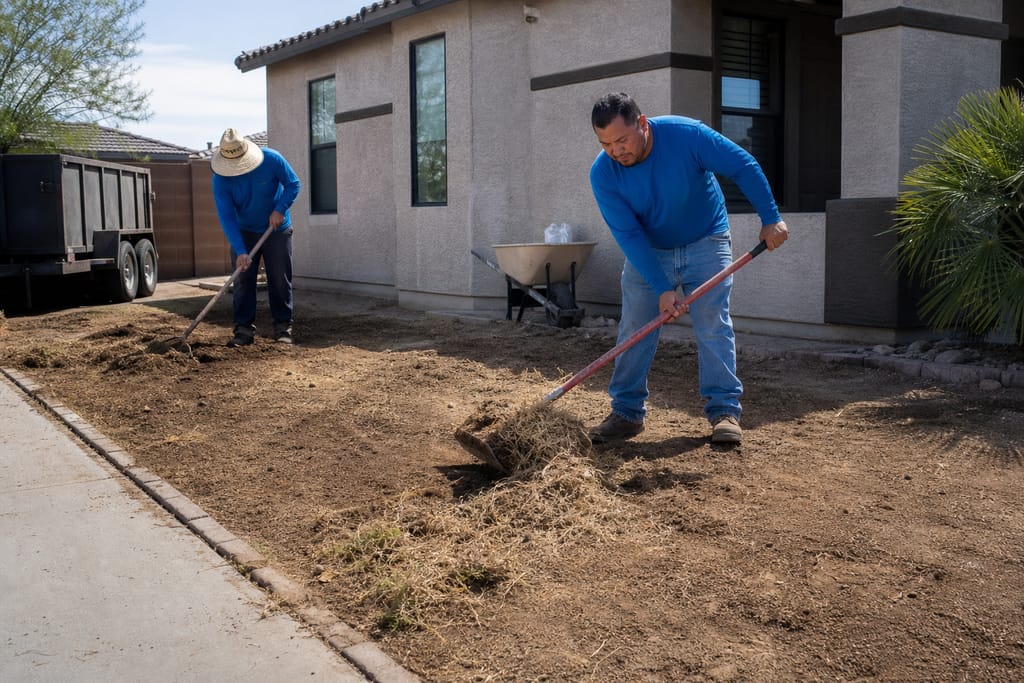
Dead lawn removal
Existing dead grass and roots are stripped away to prepare a clean base.
 Step 2
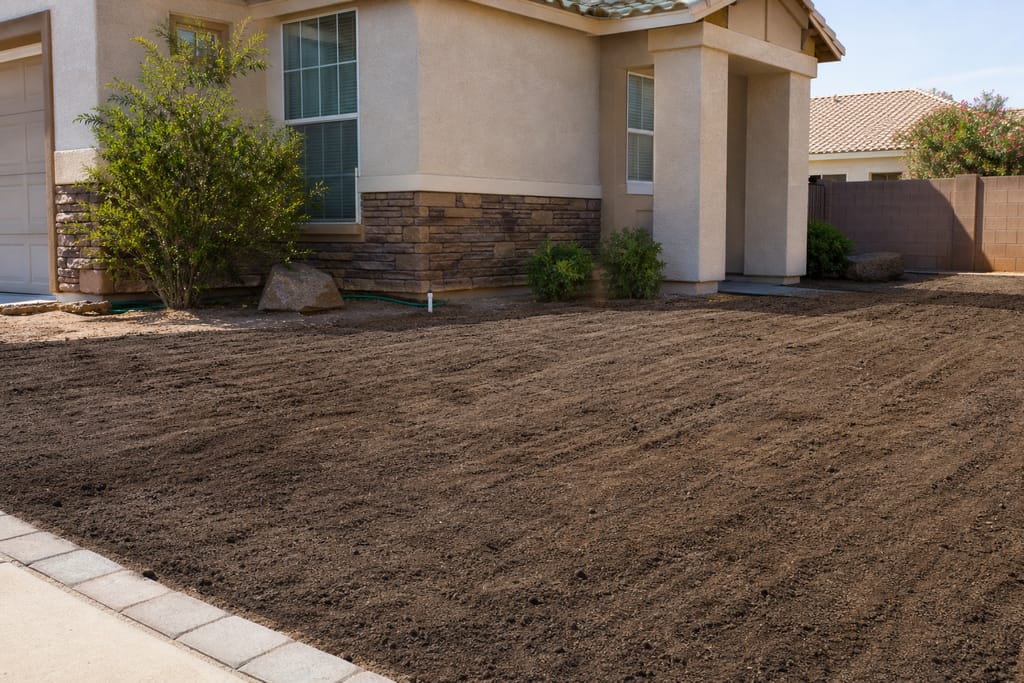
Soil amendment
Soil is treated to remove debris and stabilize the surface for turf installation.
 Step 3
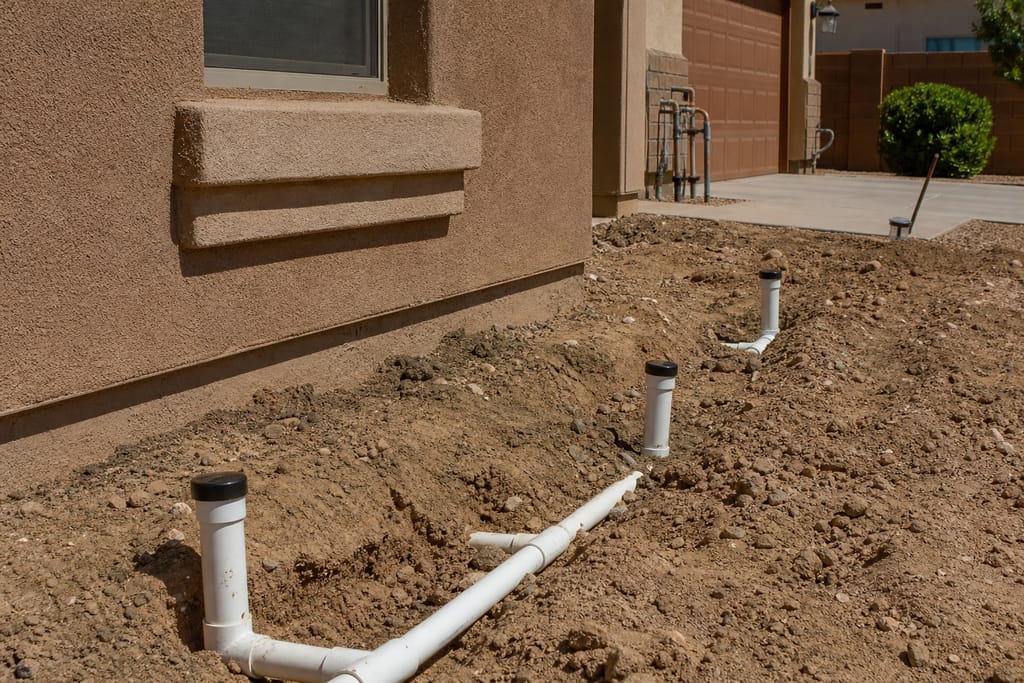
Irrigation capping
Old sprinkler lines are capped or rerouted to prevent water waste under turf.
 Step 4
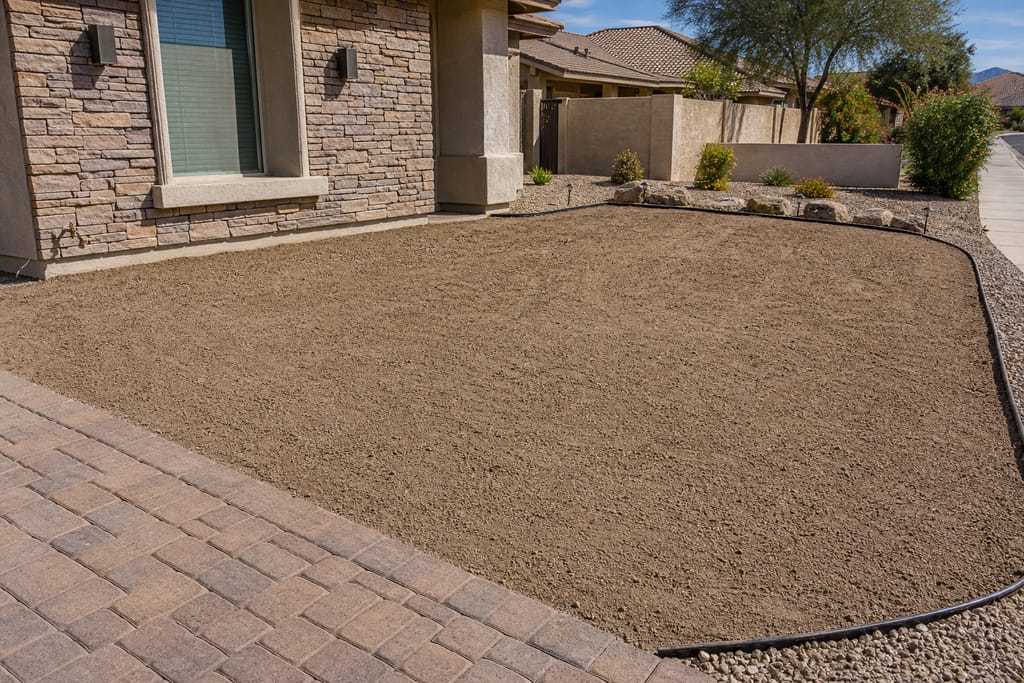
Water-wise base layer
A drought-resistant base is installed to support long-term turf stability.
 Step 5
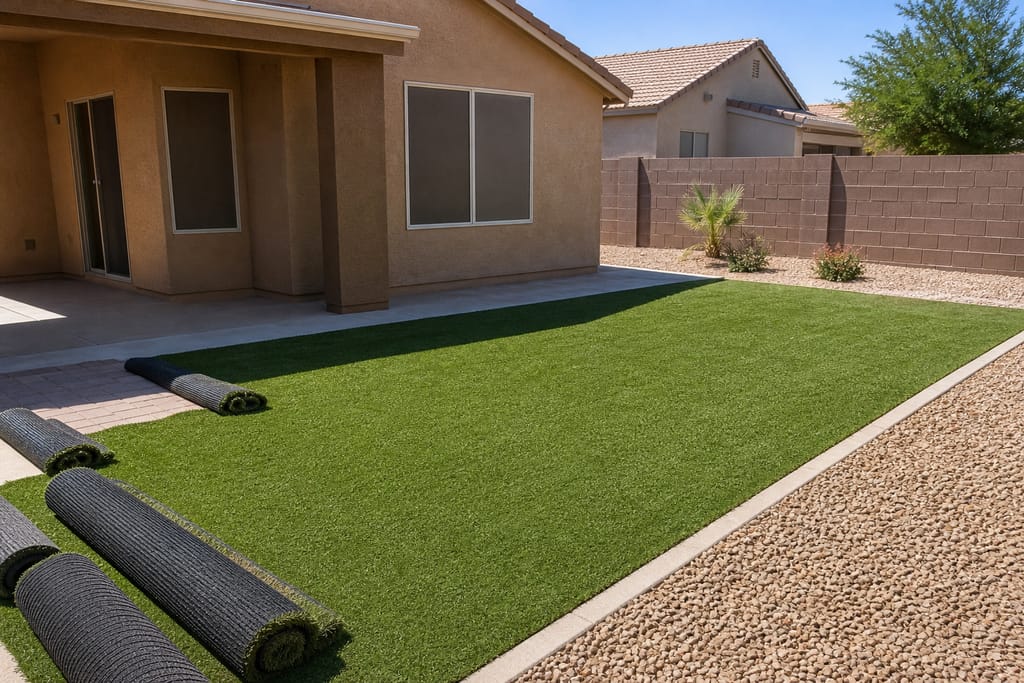
Turf conversion installation
New turf is laid over the converted area, replacing the previous lawn entirely.
 Step 6
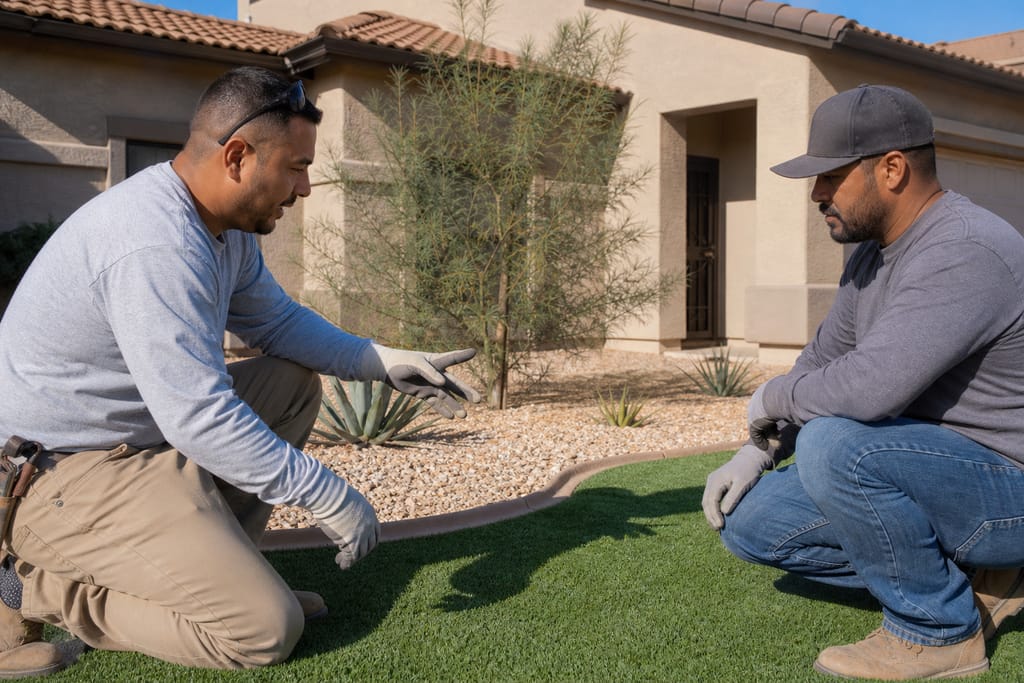
Water savings review
Homeowners are shown estimated water savings from the completed conversion.
Materials
Materials and methods for Desert Climate Turf Conversion
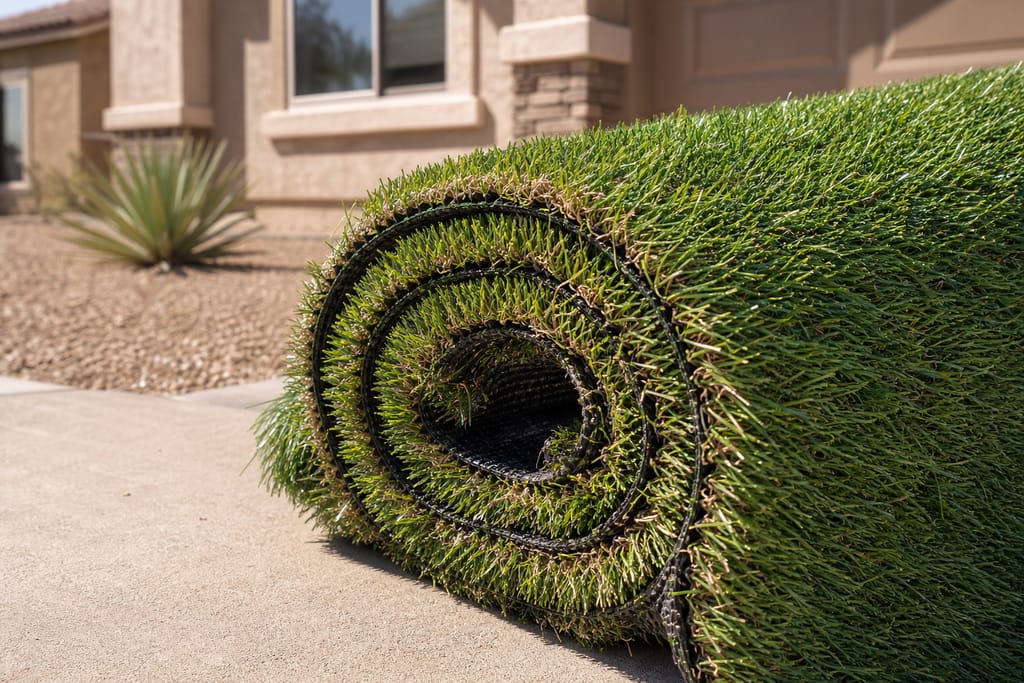
Drought-tolerant turf fibers
Fibers selected for resilience in arid, low-water climates like Fountain Hills summers.
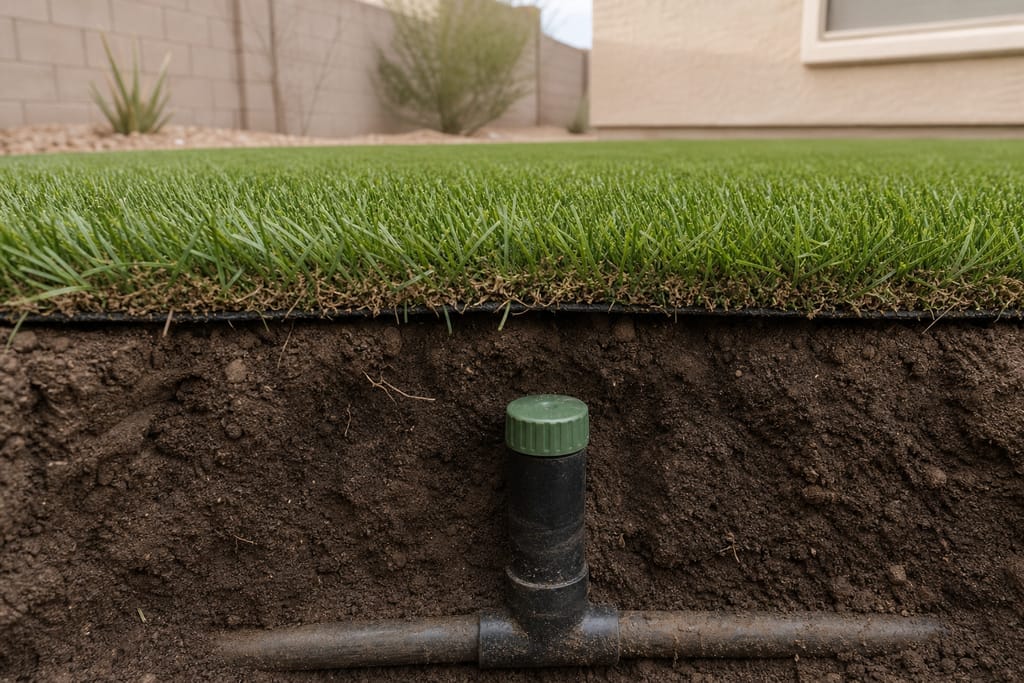
Capped irrigation fittings
Fittings seal off unused sprinkler lines beneath the new turf.
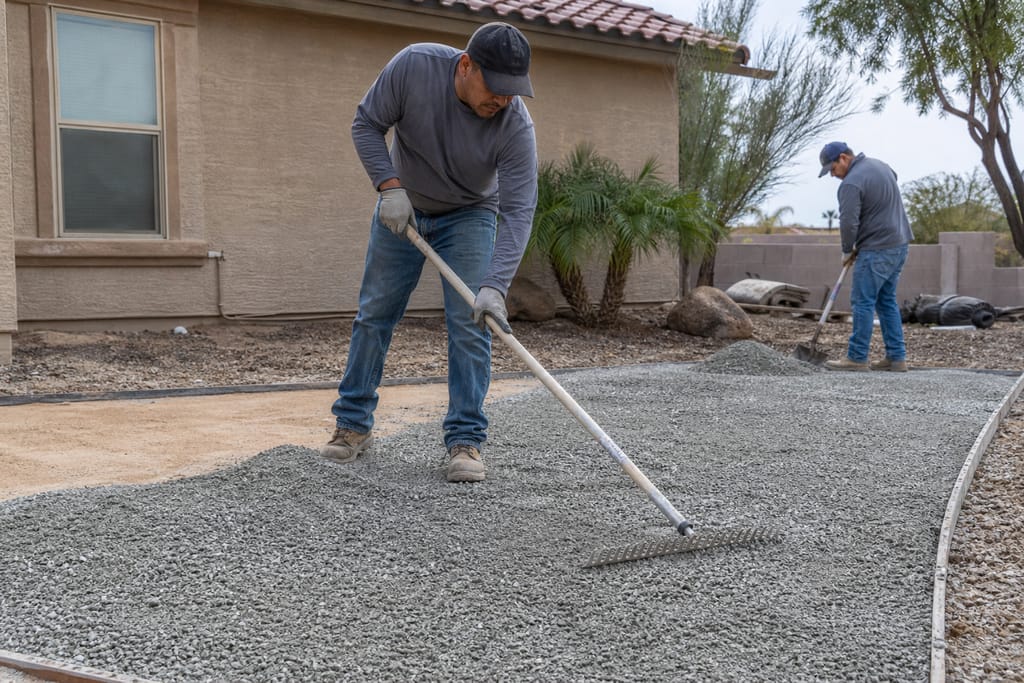
Recycled base aggregate
Eco-friendly base material reduces environmental impact of conversion projects.
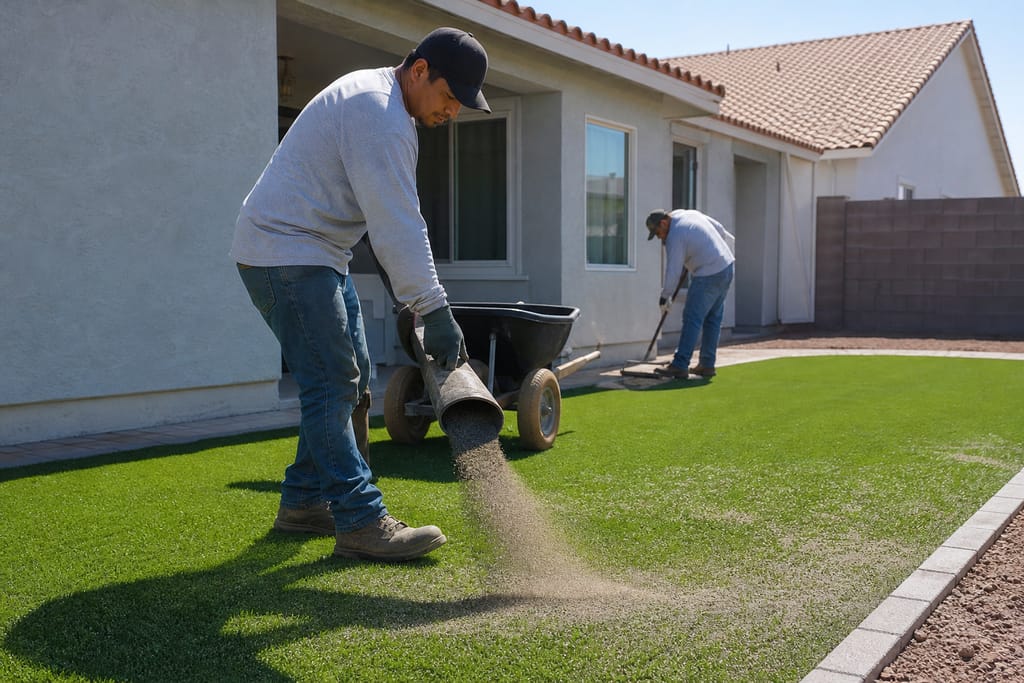
Low-water infill
Infill chosen to minimize maintenance needs in dry climates.
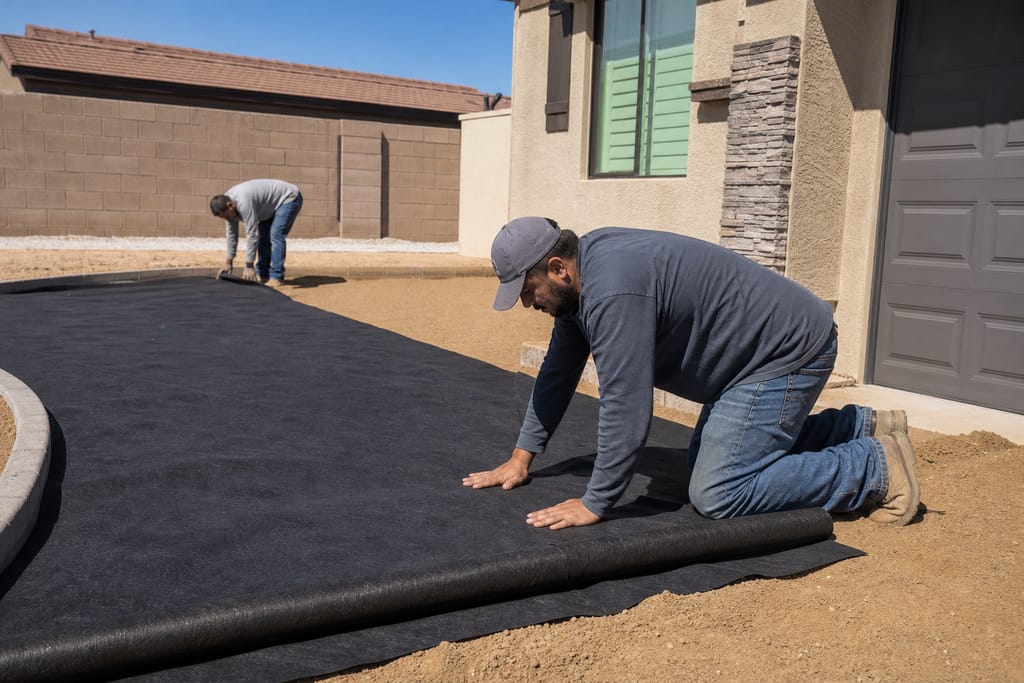
Erosion control fabric
Fabric layer helps stabilize soil during the lawn conversion process.
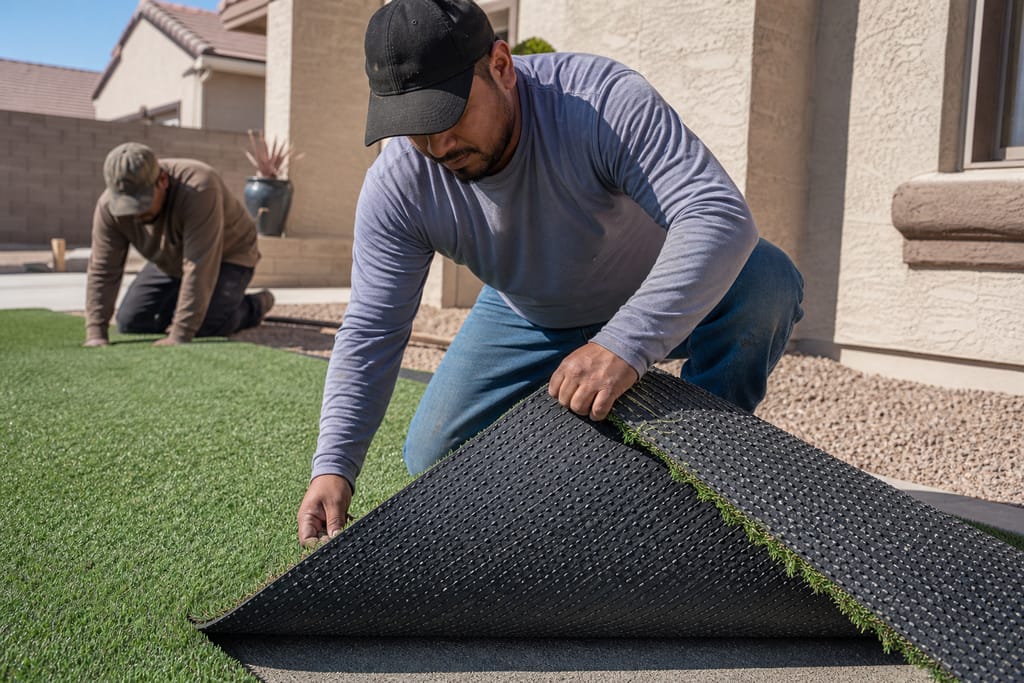
Sun-stable turf backing
Backing material resists degradation from prolonged sun exposure.
Questions on materials?
Get a Free EstimateTimeline
How long does a Desert Climate Turf Conversion take?
A full conversion runs longer than a standard install since dead lawn removal happens first.
- 01
Dead lawn and root removal
1 day - 02
Soil amendment and irrigation capping
1 day - 03
Water-wise base install
1 day - 04
Turf conversion and finishing
1–2 days
Need a schedule that fits?
Get a Free EstimateFAQs
Desert Climate Turf Conversion FAQs
Does artificial turf help with water bills in Arizona?
Yes. Removing a struggling natural lawn eliminates its irrigation demand entirely, which is typically the largest outdoor water draw on a residential water bill.
How much does Artificial Turf cost in Fountain Hills?
Dead-lawn conversions run higher than a flat turf-over-dirt job because removal and irrigation capping happen first. Expect a range depending on lawn size and how established the root system is; a free estimate gives an exact number.
What is the downside to artificial turf?
It doesn't cool a yard the way living grass and trees do, and it needs occasional rinsing and infill upkeep. For a dead or dying lawn already costing money to maintain, most homeowners find the tradeoff worth it.
How long does artificial turf last in Phoenix, Arizona?
Quality turf in the greater Phoenix heat zone typically lasts 15-20 years with normal residential use before fiber wear becomes noticeable.
Is DIY dead-lawn conversion a good idea?
Grading after removal is the mechanism that determines whether the new surface drains properly. Uneven grading from a rushed DIY removal causes pooling under the turf later.
Do I need a permit for a dead-lawn turf conversion?
Standard lawn-to-turf conversion typically doesn't require a permit. Projects that change drainage patterns or grading significantly may need review, confirm with the town if unsure.
Before & after
Before and after Desert Climate Turf Conversion results
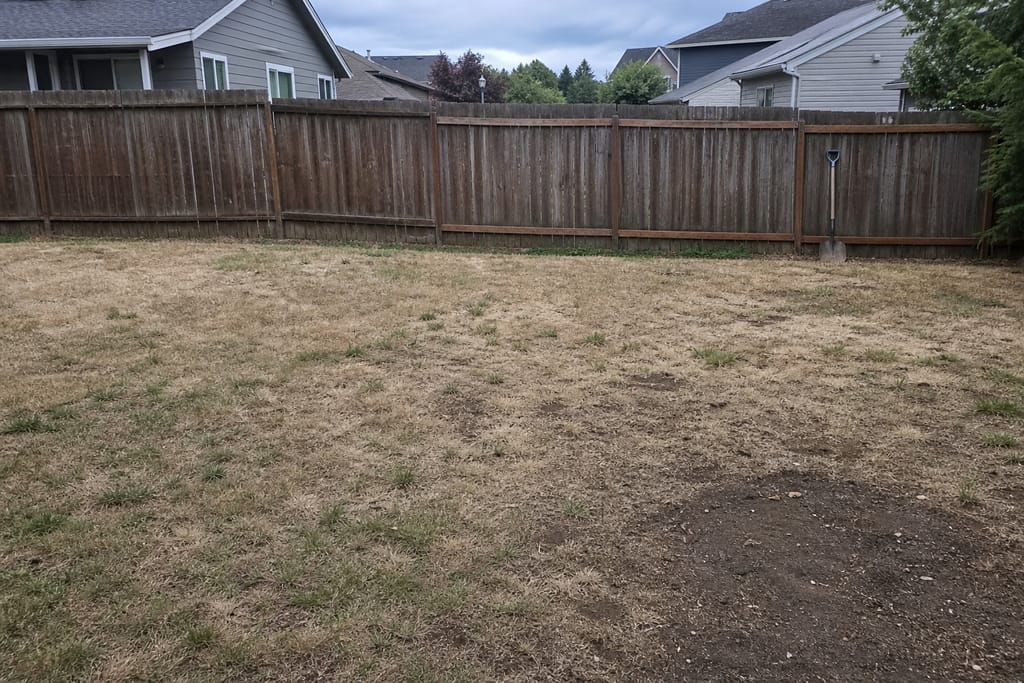
Before 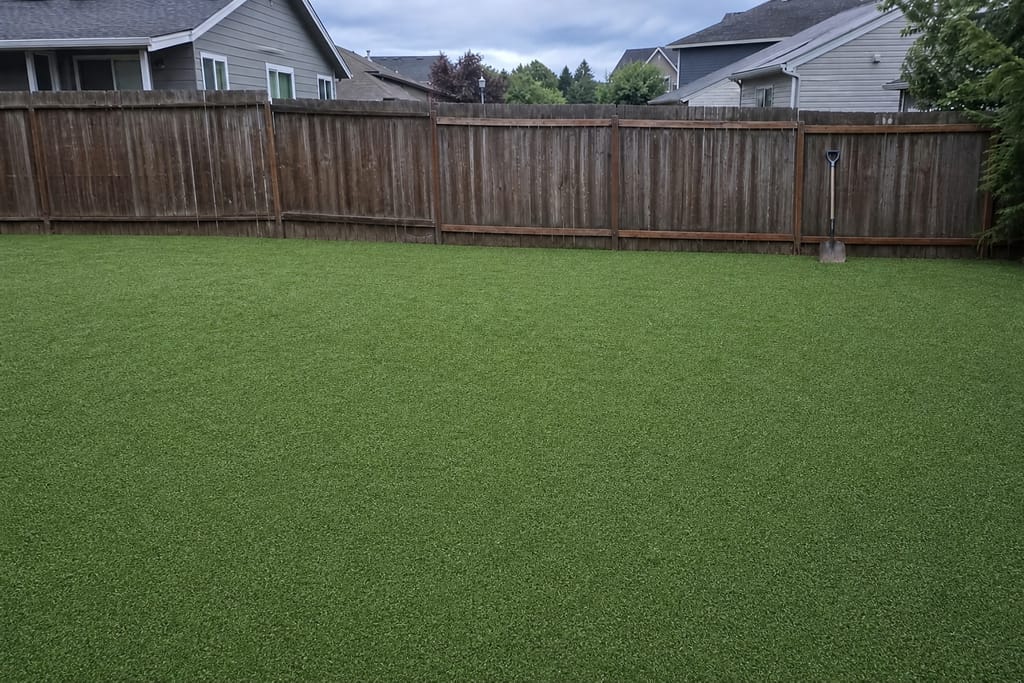
After
Next step
Get a Desert Climate Turf Conversion estimate in Fountain Hills
Call (928) 440-8515 or request a free estimate to replace a lawn that's done fighting the heat.
More services
Other Artificial Turf services
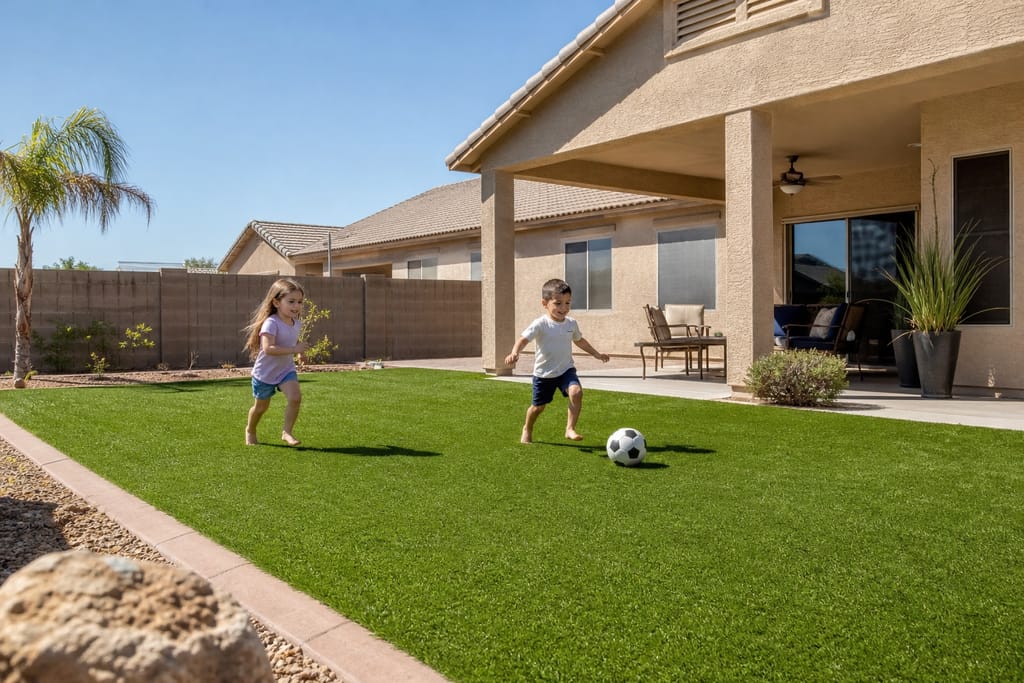
Artificial Turf Installation
Artificial turf installation in Fountain Hills with rocky-soil base prep, pet-safe infill, and free written estimates.
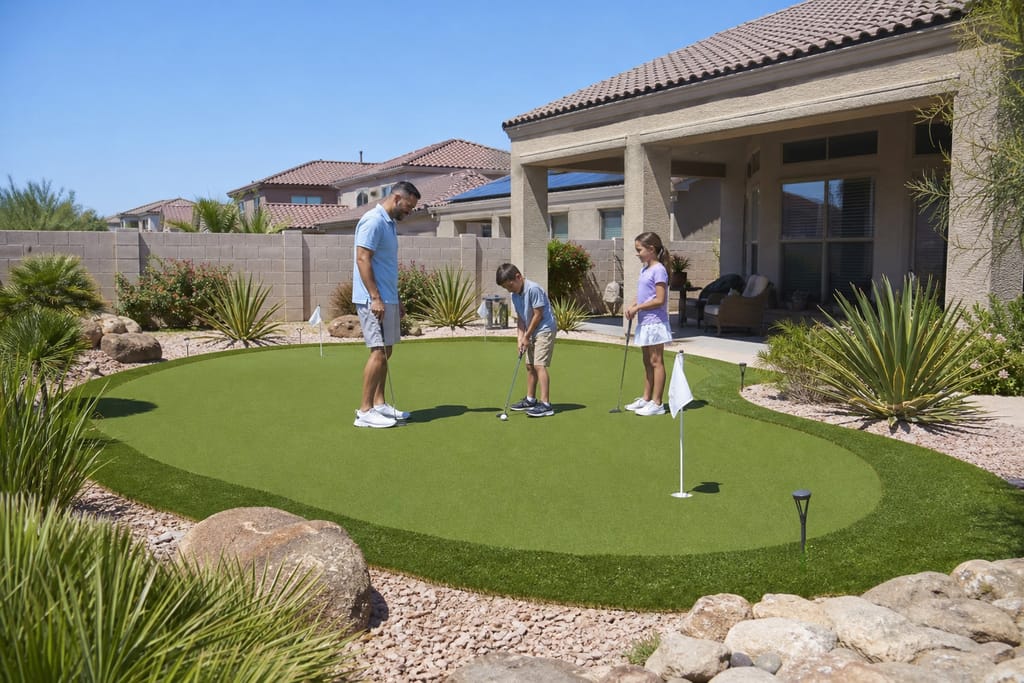
Putting Green Installation
Custom backyard putting green installation with contoured turf, true-roll surfaces, and free estimates.
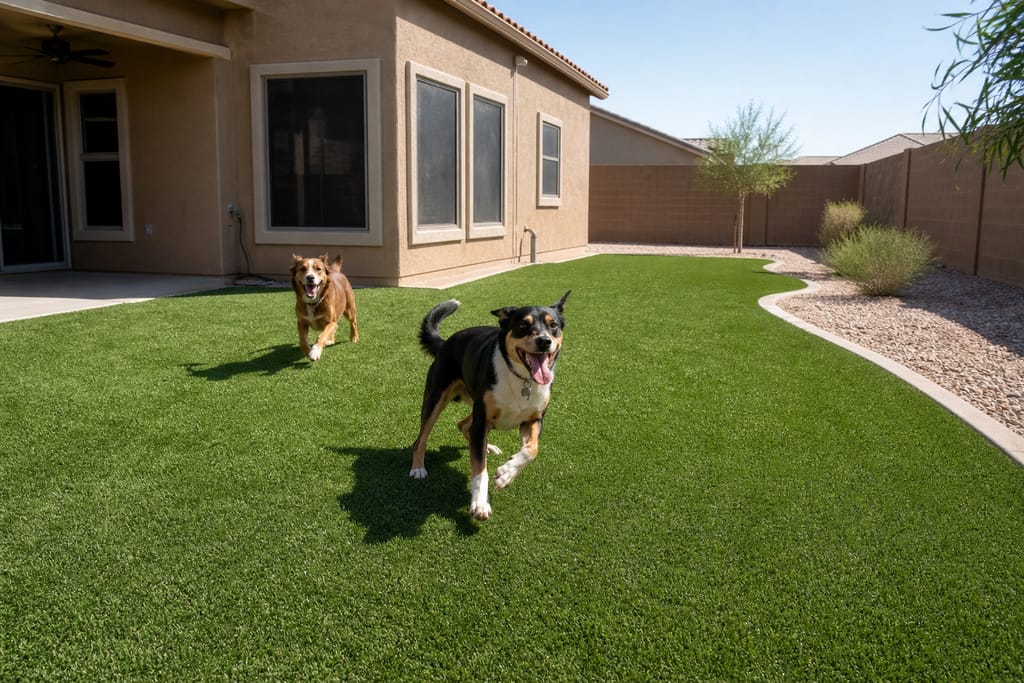
Pet Turf Installation
Pet-friendly artificial turf installation in Fountain Hills, AZ with drainage and odor-control infill built for dogs. Free estimates.
Ask about Desert Climate Turf Conversion (Dead-Lawn Replacement)
Tell us about the project and how to reach you.